Branch-only bank services, moved to 24/7 self-serve
Updating a nominee, correcting a PAN, or changing a date of birth meant visiting a branch. I moved these journeys into the app inside the bank's existing design language and compliance rules — 90% of tested users finished in under two minutes.
The problem
Basic account maintenance — a nominee update, a PAN correction, a date-of-birth fix — meant a branch visit. Every one of these was a routine, high-volume request that existed only as a branch-desk process, which meant it cost the bank a teller’s time and cost the customer a trip they’d rather not make.
The constraint wasn’t ambition, it was compliance: every screen in the new flow had to satisfy KYC and RBI verification rules, and had to live inside Axis Bank’s existing, established design system. Almost none of the compliance steps were negotiable, and the design system’s own patterns weren’t mine to rewrite — the job was designing new journeys that felt native to a language I didn’t create.
The decision
Early prototypes hid document verification behind a generic progress bar, on the theory that fewer visible steps would reduce drop-off. It didn’t — users abandoned more, not less, when they couldn’t tell what the bank still needed from them. I reversed that: verification requirements stayed visible throughout, even though it meant a less minimal-looking screen. Abandonment dropped once people could see the full shape of what they were being asked to do.
What shipped
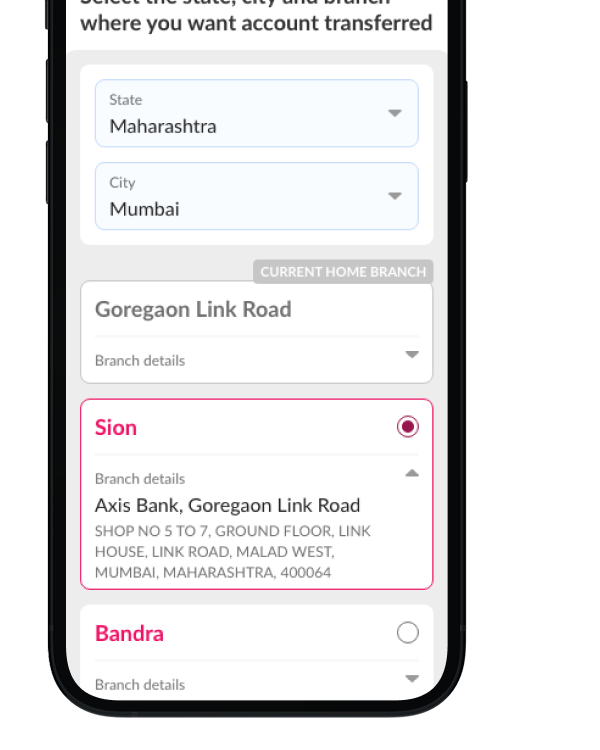
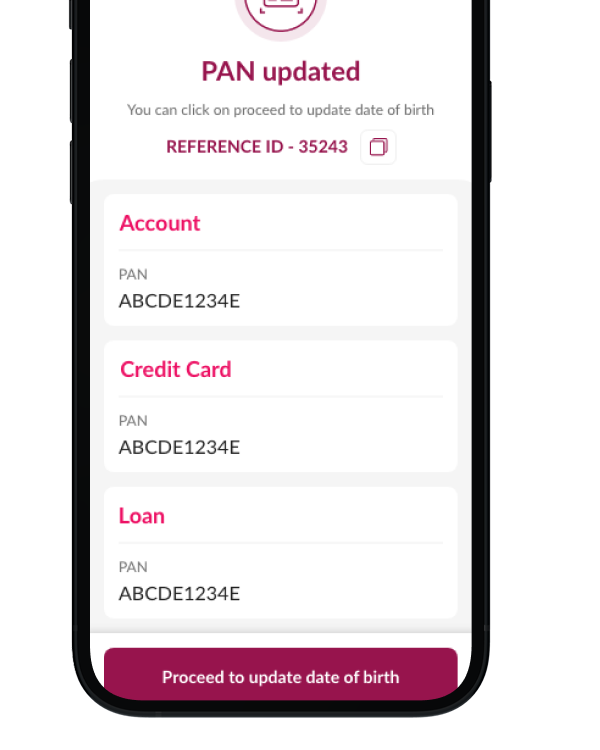
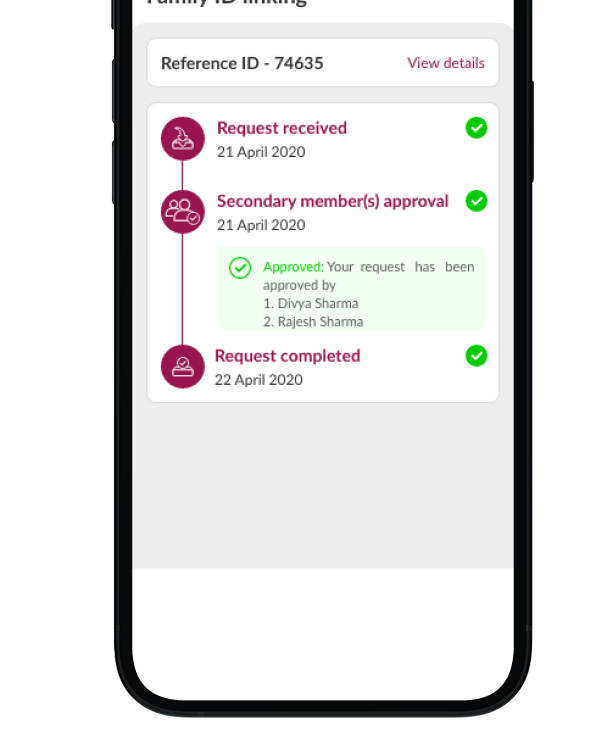
Nominee updates, PAN and date-of-birth correction, Aadhaar and Voter ID verification, and request tracking — all moved from branch-only to in-app self-serve, inside the bank’s compliance rules and existing visual language.
Result
90% of users in usability testing completed the flow in under two minutes — a task that previously required a branch visit and a queue.
Screens and process artefacts for this project are largely under NDA. I’m happy to walk through more of it directly.